
Problems Solved: Finding the Unwritten Rules Behind Workplace Problems

Every organization runs on two sets of rules: the ones written in the handbook, and the unwritten ones that actually decide who gets hired, who stays, who advances, and how work gets done. When the same problems keep coming back, like high turnover, unclear roles, or hires that don't work out, the cause is almost always in that second set.

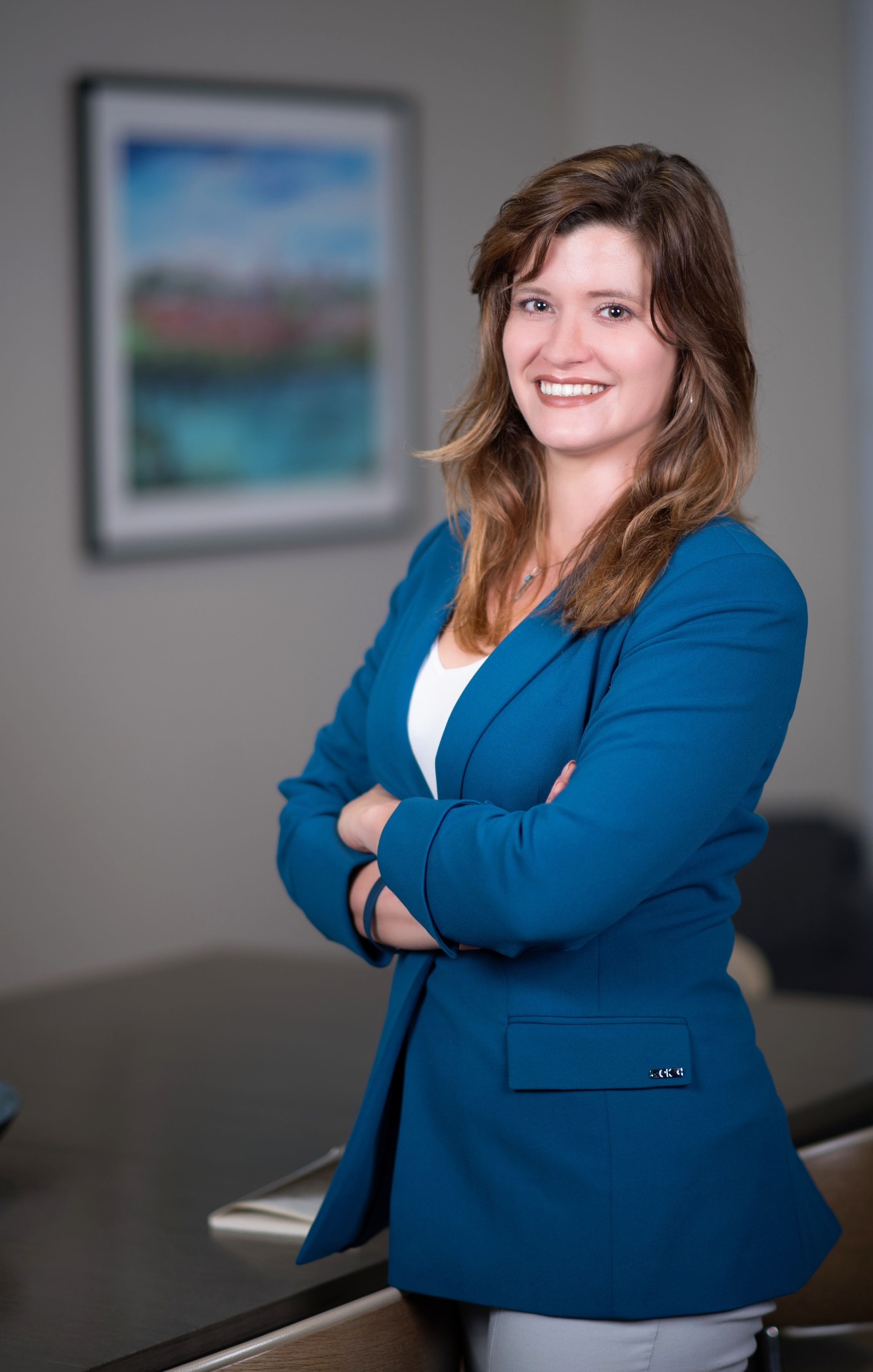
I'm an industrial-organizational psychologist and the author of The Unwritten Rules of Work. What sets my approach apart is that I make the unspoken visible. I use confidential interviews, surveys, and validated assessments to find the hidden norms driving your results, then rebuild the system so it works on purpose. I've done this for global consulting firms, federal agencies, city governments, national nonprofits, and research institutions, including Yale, NIH, and Deloitte.

Survey Design & Assessment Validation

How to validate an organizational culture survey

Client: Deloitte Consulting

A consulting firm needed evidence that its culture survey actually measured culture. I designed the validation plan, selected the items and comparison scales to test construct validity, and wrote the R code for the data team.

The unwritten rule: It's easy to assume that a survey with the right-sounding questions measures the right thing. Validation tests that assumption instead of trusting it.

Result: The firm gained scientific backing for the scale, which built client trust and improved the quality of its results.
How to measure employee engagement in local government

Client: City of Coral Gables

The city wanted to understand employee engagement across every department. Instead of building a survey from scratch, I designed it around scales that had already been scientifically validated, and created a sample report showing leadership what they'd learn.

The unwritten rule: Employees rarely tell their boss what's really affecting their work. A confidential survey built on proven scales gives leadership an honest picture they can trust.

Result: The city saved the cost of developing and validating new measures, ran the survey, and briefed the mayor on the results. The findings were used to guide city leadership's employment efforts.

Culture & Organizational Change

How to implement an agency-wide DEIA program

Client: Federal defense agency, via Strategy Consulting Team

The agency needed to turn a DEIA mandate into sustained, agency-wide action focused on culture, recruitment, and advancement. I led a team of six and designed a full program: quarterly trainings, focus groups, a climate survey, and a regular cadence of leadership briefings and communications.

The unwritten rule: Much of what it takes to advance in a large agency is never written down. Our "What I Wish I Knew" initiative asked employees to share exactly that, turning hidden career knowledge into something everyone could use.

Result: The program drew positive feedback from both employees and leadership, and the agency kept using it after the contract ended.

"I soon realized that the best course of action was usually to follow her lead, and doing so led to excellent outcomes that we continue to leverage."
— John Gaffney, Senior Advisor

Program Evaluation

How to evaluate a nonprofit training and mentoring program

Client: Boys & Girls Club of North Central Florida

A youth program needed to know whether its training actually prepared staff, and later, whether its mentoring program worked.

  • 2022–23: Ran a process evaluation of AmeriCorps onboarding using the Kirkpatrick model, measuring reaction, learning, and on-the-job behavior across sites.
  • 2023–present: Ran a multi-year outcome evaluation of the 1:1 mentoring program, comparing mentored students with a comparison group.

The unwritten rule: A written job description and what leaders actually expect are often two different things. The evaluation measured the gap between them, so training could prepare people for the real job.

Result: Delivered on time, with specific recommendations to improve the program. The client became a multi-year partner.

"Anna provided an objective and unbiased assessment of our program and identified areas of success and areas where improvement was needed."
— Emily Ketring, Director

Role Clarity & Team Structure

How to fix unclear roles and responsibilities in a growing team

Client: Yale University, Clinical Research Lab

A clinical research lab was scaling several FDA-regulated trials, and the team was growing faster than its role definitions. Partnering with the lab director, I interviewed every lab member and mapped each role's responsibilities, reporting lines, and training needs into a single framework. I also recommended a competency model to anchor hiring, onboarding, and advancement.

The unwritten rule: In fast-growing teams, roles evolve informally. People learn who handles what by word of mouth, long before it's written down. Mapping how work actually got done let the lab put that knowledge on paper.

Result: Every role in the lab now had a defined scope and a clear reporting line. The lab also updated its procedures and rolled out lab-wide regulatory training within weeks.

Employee Turnover & Hiring

How to reduce employee turnover with a competency model and realistic job previews

Client: Stanford University, American Voices Project

A national research project kept losing its fellows. I ran a needs analysis with surveys and subject-matter experts, then built a competency model that spelled out what the job actually required. I also added a realistic job preview to the hiring process, so candidates could see the real work before accepting the role.

The unwritten rule: What a job really demands is often understood only by the people already doing it. Making those demands visible up front meant new hires knew what they were signing up for, and the people who joined were ready for it.

Result: Employee retention rose 30% over 15 months.

How to build structured interviews for executive hiring

Client: Florida International University, Talent Management & Development

The university needed a fair, legally defensible way to hire for more than 200 executive roles. As part of a five-person consulting team, I helped identify job performance competencies, write structured interview questions, build behaviorally anchored rating scales (BARS), and produce an interviewer's manual and technical report.

The unwritten rule: Without defined competencies, "good fit" becomes gut feel, and gut feel quietly favors people who share the interviewer's background. Structured interviews replace that hidden standard with a visible one.

Result: The client accepted all five deliverables, and they became the interview system for every director-level-and-above role.

Frequently Asked Questions

Dr. Anna Kallschmidt

Have a problem that keeps coming back?

The rules causing it are probably unwritten. Let's find them.